Roasted Coconut: A Fun & Playful Script for Standout Designs
There’s a moment in every design project where you need something to break the mold. You’ve got your clean sans serif for body copy, maybe a sturdy serif for headlines, but the whole thing feels a little too… structured. That’s when a typeface like Roasted Coconut enters the conversation. It’s not just a script font; it’s a burst of authentic personality, designed to inject warmth and a handcrafted feel into your work. If you’re tired of generic, sterile typography, this creative font might be the missing piece you’ve been looking for.
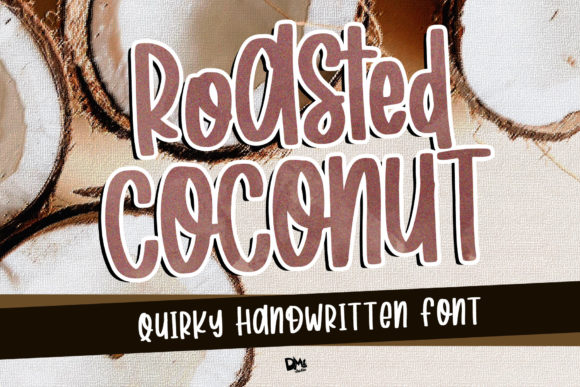
Roasted Coconut immediately draws you in with its playful, flowing letterforms. It mimics the natural rhythm of a confident, casual hand, avoiding the overly polished or stiff look that can make some handwritten fonts feel artificial. The characters have a slight bounce and a lovely, organic texture that suggests ink on paper. It’s the kind of display font that feels approachable and fun, making it perfect for designs that aim to connect on a personal level. Whether you’re working on a logo design for a boutique bakery, social media graphics for a lifestyle brand, or packaging design for a new artisan product, Roasted Coconut brings a tangible sense of joy and creativity.
Where Does Roasted Coconut Shine Brightest?
Understanding a font’s strengths is key to using it effectively. Roasted Coconut isn’t a workhorse for long paragraphs of text—its true power lies in strategic, impactful applications. Think of it as your secret weapon for headlines, logos, and accents that need to make an immediate emotional impression.
In brand identity, this typeface excels for businesses that want to project friendliness, creativity, and a down-to-earth vibe. Imagine it on the menu of a cozy café, the header of a wedding invitation suite, or the branding for a handmade soap company. It tells customers, “We’re approachable and we care about the details.” For editorial design, it can add a beautiful, personal touch to magazine pull quotes, chapter titles, or cookbook headers. In the digital realm, it’s fantastic for web design accents—like a standout “Subscribe” button, a testimonial slider, or the title of a blog post about creative living.
Entrepreneurs and small business owners will find it particularly useful for marketing materials. Think promotional flyers for a workshop, thank-you cards for e-commerce orders, or engaging social media graphics that stop the scroll. It’s a premium font that delivers significant value across both personal and commercial projects, provided you use it with intention.
Making It Work: Practical Tips for Using This Script
Choosing a creative font like Roasted Coconut is just the first step. The real magic happens in how you implement it. Here’s some practical guidance from a designer’s perspective.
Test Your Pairings: This is non-negotiable. Roasted Coconut has a strong personality, so it needs a partner that can balance it. Pair it with a clean, simple sans serif font like Montserrat, Lato, or Open Sans for body text. This contrast creates a clear visual hierarchy, letting the script headline do its job without overwhelming the reader. Avoid pairing it with another ornate or highly stylized typeface, as they’ll compete for attention.
Prioritize Readability: While it’s legible at larger sizes, always test Roasted Coconut at the actual size it will be used, especially on screen. For very small text or lengthy captions, opt for your paired sans serif. The goal is to enhance brand perception and professionalism, not frustrate your audience with hard-to-read text.
Review the Included Styles: Many premium fonts come with alternate characters, ligatures, and stylistic sets. Explore what Roasted Coconut offers. Swapping out a default “a” or “g” for an alternate can add an extra layer of custom flair to your logo or headline, making your design feel even more unique and polished.
Understand the Licensing: If you’re using Roasted Coconut for a commercial project—a client’s logo, a product you sell, or paid freelance work—ensure you have the correct commercial license. Respecting font licensing is a fundamental part of being a professional creator and protects both you and the font designer.
Ultimately, Roasted Coconut is more than just a set of glyphs; it’s a design asset that can elevate a project from good to memorable. It works best when you let its playful spirit lead, using it to craft moments of delight and authenticity. By pairing it wisely, testing for clarity, and applying it to the right contexts, you can harness its full potential to create designs that truly resonate and engage your audience. It’s a fantastic tool in the modern typography landscape for anyone looking to add a genuine, handcrafted touch to their visual storytelling.