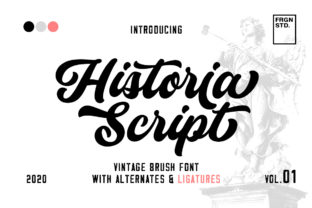
Historia: The Soft, Hand-Lettered Script for Authentic Design
Understanding Historia's Unique Personality
In a sea of digital fonts, finding one that feels genuinely crafted by hand can be a challenge. Historia is a premium font that meets this need with its sweet, soft, and playful character. It's not a rigid, formal script; instead, it embraces rounded, approachable letterforms that mimic the natural flow of a brush or pen. This gives any project an immediate sense of warmth and authenticity. As a creative font, its strength lies in its versatility—it can feel whimsical for a child's birthday party or elegant for a boutique brand, depending on the context.
The included stunning glyphs are a key feature. These are alternate characters and decorative swashes that allow you to customize words with flourishes, adding a unique, artistic touch. This transforms it from a simple handwritten font into a powerful tool for creating standout calligraphy-inspired art. Whether you're designing a logo or a social media graphic, these extras provide depth and personality that a standard script font might lack.
Where Historia Truly Shines: Practical Applications
Knowing a font's personality is one thing; understanding where to apply it is where the real value lies. Historia excels in projects where emotional connection and a personal touch are paramount. Here’s how different professionals can leverage it:
- Wedding & Event Stationery: This is Historia's natural habitat. Its soft curves are perfect for creating gorgeous wedding invitations, save-the-dates, menus, and programs. The font sets a romantic and celebratory tone before guests even open the envelope.
- Brand Identity & Logo Design: For small businesses, especially in lifestyle, beauty, artisanal food, or boutique retail, Historia can form the core of a friendly and approachable brand identity. Use it for logos, business cards, and thank-you notes to build a cohesive and recognizable brand presence.
- Digital & Social Media Content: In the fast-paced world of social media graphics, an eye-catching font is essential. Historia is ideal for Instagram quotes, Pinterest pins, YouTube thumbnails, and Facebook headers. Its readability at various sizes makes it a practical choice for digital platforms where quick engagement is key.
- Publishing & Editorial Design: Authors and publishers can use this typeface for book titles, chapter headings, or interior quotes in non-fiction and romance genres. It adds a layer of emotional resonance to editorial design without sacrificing clarity.
- Packaging & Product Design: Imagine Historia on the label of a homemade jam, a scented candle, or a craft beer. It communicates care, quality, and a story behind the product, which is invaluable in packaging design.
Making It Work: Font Pairing and Practical Considerations
Integrating a script font like Historia into a design system requires a thoughtful approach to maintain professionalism and readability. Its decorative nature means it rarely works well for long blocks of body text. Instead, think of it as a highlight or accent font.
Achieving Visual Hierarchy with Font Pairing
The most effective way to use Historia is in partnership with a clean, neutral typeface. A classic sans serif font like Montserrat or a simple serif font like Lora provides a perfect counterbalance. Use Historia for headlines, subheadings, or key phrases, and pair it with your chosen sans serif or serif font for paragraphs and supporting information. This creates a clear visual hierarchy, guiding the reader's eye and ensuring your message is both beautiful and easy to digest. This principle of font pairing is fundamental to modern typography and ensures your design assets feel polished.
Readability and Project Evaluation
Always test Historia in the specific context of your project. A font that looks stunning on a wedding invitation might become illegible on a small mobile screen if used for paragraph text. Check its performance at different sizes and against various background colors. Remember, the goal of good design is communication first. Evaluate if the font's personality aligns with your project's goals—its playful feel might not suit a corporate law firm, but it's perfect for a local bakery's brand identity.
Licensing and File Formats
Historia is a commercial font, meaning you need the appropriate license for your intended use—whether personal, commercial for a client, or for products you sell. It comes in both OTF and TTF formats, with OTF generally being the more modern standard offering advanced typographic features. Always review the license agreement to ensure compliance, especially if you're creating items for sale or using the font in digital products like templates. This is a crucial step in maintaining a professional and ethical workflow with any design asset.